Mon–Sun 8 a.m.–7 p.m.Based in St. Louis Park · twelve cities on the west sideDiagnostic fee included in any repair you approve

New Hope · Winnetka to Highway 169

Appliance Repair in New Hope, MN

Illustration of a French-door refrigerator

When the lower-level washer stops mid-cycle or the dryer runs cool, New Hope households call us for an in-home visit: meter readings, a plain name for what broke, a written quote, and usually the fix on that same trip.

  • The diagnostic visit becomes part of any repair you okay
  • A price in writing before any part leaves our truck
  • Same-day windows held for warm refrigerators and freezers

Work order

Red Pine Appliance · St. Louis Park

Fill in five lines. We call back with a two-hour window and name the diagnostic fee on that call.

  1. 01
    Machine
  2. 02
  3. 03
  4. 04
  5. 05

Say yes to the written price and the diagnostic fee is part of it · say no and that fee closes the visit

New Hope

Getting appliance repair in New Hope

New Hope sits between Highway 169 and Crystal, with Winnetka Avenue running through it north to south and Bass Lake Road and 42nd Avenue crossing east to west. Most of its blocks were built up in the 1960s and 1970s, and our calls here follow the floor plans of that era. Anyone searching for appliance repair near me from a New Hope address reaches the same process we use everywhere. Call, or fill in the online request, and we call back with your two-hour arrival window. Readings come first: the technician meters each likely culprit, names the one that quit, and hands over a written quote before picking up a tool. Approve it, and the repair usually comes off the truck that day. Saturday and Sunday slots are open too, and when a part must ship in, the trip back to fit it goes unbilled.

Ramblers and split-levels from the 1960s and 1970s make up most of the city. Split-levels put the laundry on the lower level, a few steps below the kitchen, and their dryers vent through the rim joist to a hood near the ground, where drifts pile up. Ramblers keep the laundry in a basement next to the floor drain. Kitchens of that period have usually been updated, sometimes more than once, and both gas and electric ranges are common. The water is soft Minneapolis water, so detergent overdose, not mineral scale, explains most film and foam. January cold stalls garage refrigerators and freezes vent hoods. July humidity sweats refrigerator cabinets and leaves front-load boots smelling sour, and thunderstorms knock out control boards on newer washers and ranges.
Machine by machine

What lands on our list, in pictures

Illustration of a French-door refrigerator
Illustration of a front-load washer
Illustration of a dryer with its vent duct
Illustration of a built-in dishwasher
Illustration of a gas range with a lit burner
Illustration of a refrigerator ice maker and bin
Illustration of a multimeter
1 / 7
  1. Milk going sour by Thursday, a freezer drawer with a frost beard, a compressor that hums and then goes silent. Refrigerator repair →

  2. A tub of gray rinse water at noon, a door lock blinking its code, a spin cycle that rattles the basement stairs. Washer repair →

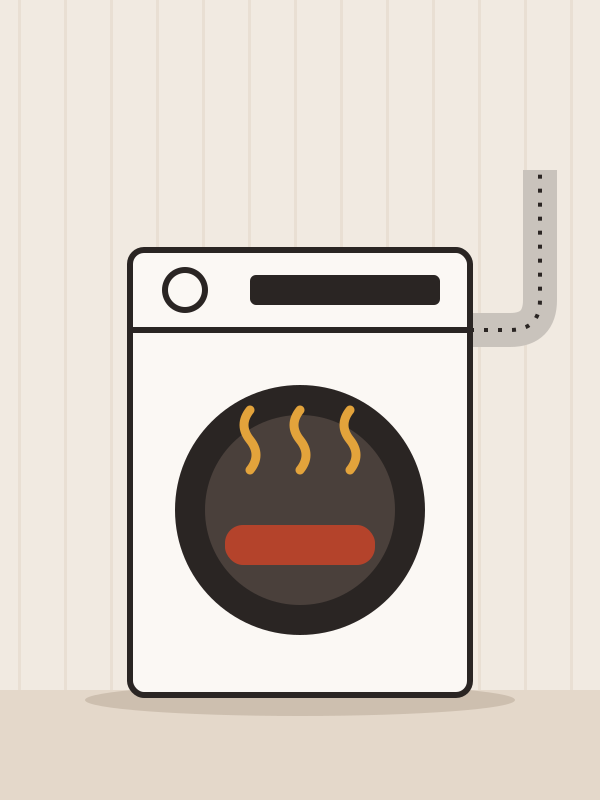
  3. Towels still damp after seventy minutes, lint caked where the duct meets a January wall, a squeal at every turn of the drum. Dryer repair →

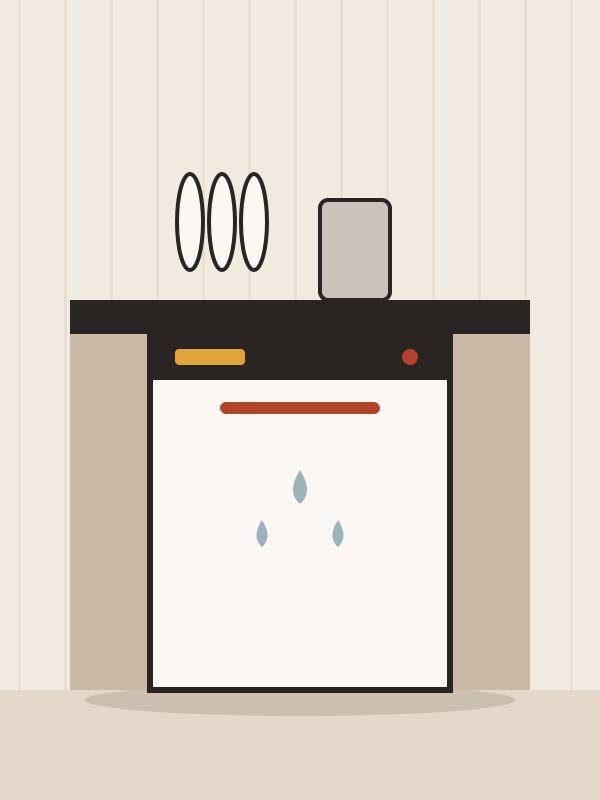
  4. A puddle under the toe kick, mugs coming out chalky from hard city water, a pump that whirs and drains nothing. Dishwasher repair →

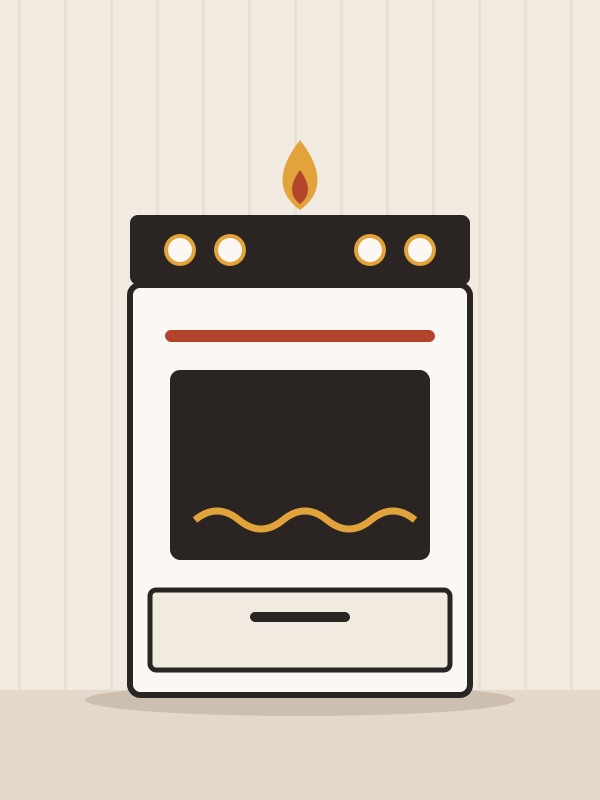
  5. A bake igniter that glows orange but never lights the burner, a coil with one white-hot spot, a self-clean lock that stays shut. Oven and range repair →

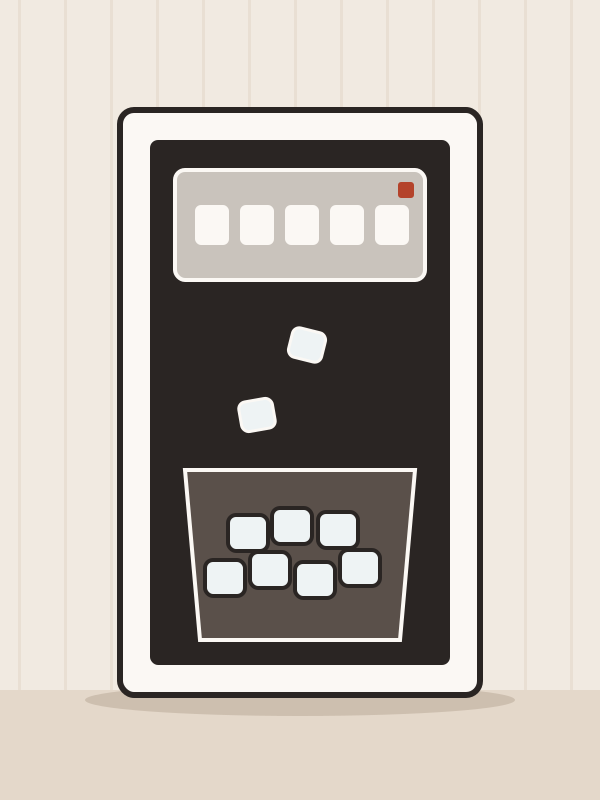
  6. No cubes since the holidays, a tray that dumps half-moons, a water line iced over inside the door. Ice maker repair →

  7. Meter leads on the suspect part, a reading you can see, then a written figure you can sign or turn down. How the diagnostic works →

Neighborhoods

New Hope areas and their usual calls

  • North of Bass Lake Road

    The northern blocks hold ramblers and split-levels on standard lots. Garage refrigerators and chest freezers are common, and they warm up whenever deep cold settles in. Lower-level laundry rooms bring dryer vent calls after snowstorms bury the hood, and the technician checks airflow before replacing any fuse or thermostat.

  • Winnetka Avenue

    Houses along Winnetka and its side streets include many split-levels from the 1970s. Their kitchens were often redone with stainless appliances, so we test electronic control boards and sensors as often as elements and switches. Split-level stairs make moving a washer tight, so the technician protects the walls and leaves the work area clean.

  • Along 42nd Avenue

    The blocks near 42nd Avenue are dense with 1960s ramblers. Basement laundry beside a floor drain is the norm, so a washer leak usually reaches the drain before anyone notices it. The technician checks the pump, the hoses and the tub seal, then writes one price before any work is done.

  • Between Bass Lake Road and 42nd Avenue

    The middle of New Hope is mostly 1960s and 1970s houses, and gas lines to the range and dryer are common. Gas dryers and gas ranges here bring calls about igniters, valve coils and flame sensors. Each one is tested electrically with a meter, and nobody guesses at a gas part.

  • Highway 169 side

    Homes on the west side near Highway 169 sit closest to Plymouth. Many split-levels there have lower-level family rooms with the laundry behind a door. Front-loaders kept in those closed spaces grow musty door boots in humid summers, so the technician inspects the boot, the drain filter and the pump before quoting.

  • East edge near Crystal

    The east side of New Hope shares a border and a water supply with Crystal. Ramblers here run the same soft water, and dishwasher calls about cloudy glasses come up often. The fix is frequently a smaller detergent dose plus a look at the rinse-aid setting and spray arms, not a new part at all.

Typical calls

Calls we see in New Hope

Dryer · split-level off Winnetka Avenue

The dryer on the lower level shut off partway through every cycle and felt hot to the touch. The technician measured strong heat but weak airflow, then found the foil transition hose behind the dryer crushed flat against the wall. The cycling thermostat had drifted as well. One written price covered a new semi-rigid transition and the thermostat; once approved, cycles finished on time.

Washer · basement near 42nd Avenue

A top-loader took on water and pumped it out again, yet the agitator only twitched while something ground away underneath. The technician tipped the machine back, removed the motor, and found the drive coupler broken into pieces. The motor windings measured fine. With the written price approved, a new coupler from the truck went in, and the washer ran a full load test without a sound out of place.

Range · near Highway 169

A gas cooktop clicked at every burner, but only one would light. Water from a boilover had soaked the burner bases, and one electrode was cracked. The technician dried the bases, tested the spark module output on the meter, which was fine, and replaced the cracked electrode from truck stock after the written price was approved. Every burner then lit on the first click.

Water and winter

Water and winter in New Hope

Water in New Hope comes from the Mississippi, treated and softened by Minneapolis to about 5 grains, and delivered through the joint commission New Hope formed with Crystal and Golden Valley in 1963. Some houses still run a softener installed long ago; check whether yours is doing anything useful. Soft water softened again, plus a heavy hand with detergent, is the usual reason for foam in a front-loader and etching in a dishwasher. Winter tells a different story. Below-zero air freezes dryer hoods at the foot of split-levels, stiffens rubber gaskets, and lulls garage refrigerators into letting the freezer thaw. Summer storms then bring their own round of control-board calls.

Questions

New Hope questions

Do you service lower-level laundry rooms in New Hope split-levels?

Yes, and they are among our most frequent New Hope calls. Washers there leak onto finished floors, front-load boots stay damp in the closed room, and dryers vent through the rim joist to a hood near the ground. The technician checks the drain, the hoses, the boot and the vent run along with the machine itself.

New Hope pricing: where does the diagnostic fee go?

Into the repair, if there is one. A meter test pins down what broke, and you get one quote on paper. Once you sign it, the diagnostic fee counts as part of that number. Should the repair not seem worth doing, the bill stops at the visit fee, the machine stays as it stands, and the invoice carries no second line.

Can a gas range in New Hope be fixed on the first visit?

More often than not. Igniters, spark electrodes, spark modules and valve parts for common ranges ride on the truck. The technician tests the circuit, confirms the failure and writes one price; once you approve, the repair is often done before leaving. A less common board or valve may have to be ordered; we bring it back out without charging another trip.

Should New Hope homes run a water softener?

Most do not need one. New Hope buys soft Minneapolis water, and softening it further can make dishwashers and washers foam and etch glass. If a softener came with the house, ask whoever services it whether it can be bypassed. We do not repair softeners, but the technician can point out the signs of over-softened water on your dishwasher and washer.

When can you come to New Hope?

A warm refrigerator or freezer jumps to the head of the same-day list. Everything else, from laundry machines to ranges and ice makers, usually gets a slot within several days, often tomorrow. Appointments run seven days a week. Booking brings a phone call naming your two-hour arrival window. The truck carries the parts your machine is most likely to need.

Book the diagnostic visit

In New Hope, the diagnostic fee is baked into whatever written repair price you accept, and should you choose no repair, that fee is the single charge.

CallRequest service