Mon–Sun 8 a.m.–7 p.m.Based in St. Louis Park · twelve cities on the west sideDiagnostic fee included in any repair you approve

Gas and electric cooking · St. Louis Park

Oven and Range Repair in St. Louis Park, MN

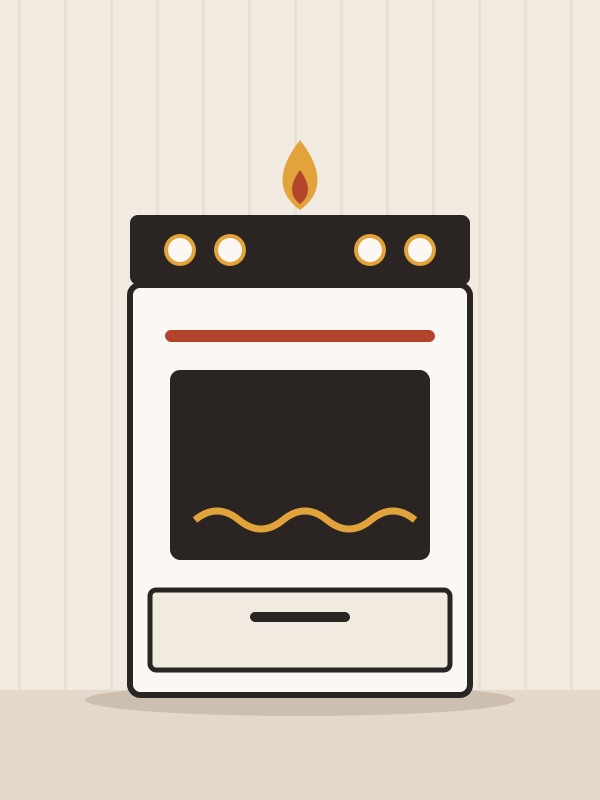
Illustration of a gas range with a lit burner and oven window

Oven slow to preheat, a gas burner ticking away with no flame, or a bake element showing a bright split? Our technicians fix ranges, wall ovens and cooktops, gas or electric, across St. Louis Park from Brookside to Cedarhurst.

  • The diagnostic visit becomes part of any repair you okay
  • A price in writing before any part leaves our truck
  • Same-day windows held for warm refrigerators and freezers

Work order

Red Pine Appliance · St. Louis Park

Fill in five lines. We call back with a two-hour window and name the diagnostic fee on that call.

  1. 01
    Machine
  2. 02
  3. 03
  4. 04
  5. 05

Say yes to the written price and the diagnostic fee is part of it · say no and that fee closes the visit

Ovens, ranges & cooktops · St. Louis Park

Older and remodeled St. Louis Park kitchens: oven and range repair

The oldest kitchens in St. Louis Park sit in the 1920s and 1930s houses closer to the Minneapolis line, in places like Minikahda Vista and Brookside, where a gas range often stands in the same spot the original stove did. Most of the city came later, in the post-war wave of Cape Cods and ramblers, and those compact kitchens were built around a single range set against one wall. Decades of remodels have changed the picture. Minikahda Oaks and Cedarhurst now have their share of slide-in gas ranges, glass-top electrics, induction cooktops and wall ovens set into new cabinets. Where a gas line was already in the wall, most owners stayed with gas; where the wiring was updated, induction has crept in.

Gas ovens fail in a familiar way. With age, the hot-surface igniter keeps its orange glow while its current draw sags under the safety valve’s threshold, so lighting turns into a long wait or no flame at all. Electric ovens lose bake elements, often with a flash and a visible blister, and both types lose temperature sensors that send the control the wrong reading. On top, gas burners keep clicking after a boilover soaks a spark switch, and glass-top elements quit when a switch or limiter burns out. Here is a December call near Highway 100: the oven in a gas range glowed for a long time before a soft whump of ignition, then ran cool. The igniter read low on the amp meter and was replaced from stock.

Symptoms

Oven, range and cooktop symptoms in St. Louis Park homes

At home you seeCommon culpritOur check on the call
Gas oven takes ages to catch, or stays darkAging igniter that glows yet draws too little currentClamp an amp meter on the igniter lead; replace on a low reading
Electric oven heats on broil onlyBake element burned through, often with a visible blisterMeter the element and wiring, replace the element
Oven temperature off by a wide marginFailed temperature sensor or a control reading it wrongMeasure the sensor, compare to an oven thermometer
Burner keeps clicking after it lightsBoilover water inside a spark switch, or a cracked electrodeDry or replace the switch, check the electrode and wiring
Glass-top element dead or stuck on highFailed infinite switch or burned element terminalMeter both the infinite switch and element; change whichever failed

Calls in St. Louis Park

Range and oven calls from Minikahda Vista to Cedarhurst

Minikahda Vista · bake element blister

In an older Minikahda Vista kitchen, an electric range heated on broil but the oven never passed lukewarm on bake. A bright spot and a split showed along the bake element’s lower loop. The meter confirmed it open, and the terminals were checked for heat damage. A new element went in from the truck, and the oven held temperature through a test bake.

Brookside · cooktop burner that won’t stop clicking

A gas cooktop in Brookside kept clicking long after every burner had lit, and the ticking ran even with the knobs off. A pot of pasta had boiled over the day before. The technician found moisture in one spark switch, replaced the switch after the meter showed it shorted, and checked the other burners before closing up.

Cedarhurst · wall oven that ran cold

A wall oven in a Cedarhurst remodel baked everything slowly, and an oven thermometer read well below the setting. The temperature sensor measured out of range for the room temperature, so the control was being told the cavity was hotter than it was. The sensor was replaced from stock, and a check with the thermometer afterward matched the display.

Machine by machine

What lands on our list, in pictures

Illustration of a gas range with a lit burner
Illustration of a French-door refrigerator
Illustration of a front-load washer
Illustration of a dryer with its vent duct
Illustration of a built-in dishwasher
Illustration of a refrigerator ice maker and bin
Illustration of a multimeter
1 / 7
  1. A bake igniter that glows orange but never lights the burner, a coil with one white-hot spot, a self-clean lock that stays shut. Oven and range repair →

  2. Milk going sour by Thursday, a freezer drawer with a frost beard, a compressor that hums and then goes silent. Refrigerator repair →

  3. A tub of gray rinse water at noon, a door lock blinking its code, a spin cycle that rattles the basement stairs. Washer repair →

  4. Towels still damp after seventy minutes, lint caked where the duct meets a January wall, a squeal at every turn of the drum. Dryer repair →

  5. A puddle under the toe kick, mugs coming out chalky from hard city water, a pump that whirs and drains nothing. Dishwasher repair →

  6. No cubes since the holidays, a tray that dumps half-moons, a water line iced over inside the door. Ice maker repair →

  7. Meter leads on the suspect part, a reading you can see, then a written figure you can sign or turn down. How the diagnostic works →

On the visit

St. Louis Park range and oven repair, one reading at a time

The technician first runs the appliance the way you use it: oven on bake, then broil, each burner in turn, and the cooktop elements on high and low. A thermometer in the oven shows whether the cavity is reaching what the display claims. On gas, an amp meter clamped around the igniter lead tells whether its draw can pull the safety valve open, and the valve itself gets a continuity check. On electric, the meter goes across both heating elements, then the sensor probe in the cavity and the self-clean door lock. Cooktops get their switches, elements and spark module tested. Nothing is replaced on a hunch. Once the reading points to one part, you hear its name and see one written price.

Ranges in St. Louis Park run the full span. We work on Whirlpool, GE, Frigidaire, Maytag, Samsung and LG standard ranges in the post-war kitchens, KitchenAid and Bosch slide-ins in remodels, Café ranges and wall ovens in the more ambitious rebuilds, and the odd Kenmore or Amana that has outlived its matching dishwasher. Induction cooktops have become common enough that we test their control boards and coil temperature sensors as a matter of routine. Condo and rental kitchens follow the same steps, except the written price is emailed to the landlord or building manager for their yes. On the money side, nothing hides: the written figure for an approved repair has the diagnosis fee already worked into it, and a skipped repair leaves a bill for the diagnosis alone.
Questions

Oven or range questions from St. Louis Park

Why does my gas oven in St. Louis Park take so long to light?

Most often it is a weak igniter. The oven’s safety valve opens only when the igniter pulls a certain current. An aging igniter still glows but comes up short of that mark, which delays the flame or stops it entirely. We measure its current with an amp meter, and if it reads low, we replace it, usually from the truck.

Should I keep cooking on the range until the technician comes?

Any smell of gas means stop, walk everyone outdoors, and ring 911 or the gas company once outdoors. An electric bake element that has burned through means the oven stays switched off until the technician has seen it. A cooktop with one dead burner is often still usable on the others.

Do you repair induction and glass-top cooktops in St. Louis Park?

Yes. Glass-top radiant cooktops usually fail at an element or its infinite switch, both of which we test with a meter. Induction units lean on electronics, so the trouble tends to sit in the power board, the fan that cools it, or a sensor under a coil, and those parts may need ordering. There is no second trip charge when we come back to fit one.

Our remodeled St. Louis Park kitchen has a wall oven. Do you work on those?

We do. Their failures mirror those of range ovens: the bake element, the sensor, the door lock and the control board lead the list, plus cooling fans that keep the electronics cool inside the cabinet. Most testing happens with the oven in place; if it must slide out, the technician protects the trim and countertop.

Why is my oven running hotter or cooler than the dial?

Usually the sensor probe has drifted, or the control is misreading a good one. Before you call, clip an oven thermometer to a center rack and compare it with the display. Our technician reads the sensor’s resistance against room temperature, then heats the oven with a calibrated thermometer inside, and replaces the sensor or recalibrates the control as the numbers dictate.

What will I pay for oven repair in St. Louis Park?

First, the diagnosis, at a fee we name when you book, which tells you what failed and puts one written price in your hand. With a yes, the price you signed swallows that fee and shows no separate line for it. With a no, the visit fee is the total and the range is left exactly as it was. A finished repair is tested on every function and backed by a written warranty.

Book the diagnostic visit

Every St. Louis Park range or oven job is priced the same way: the written figure you accept already holds the diagnostic fee, while turning the work down ends the bill with the visit itself.

CallRequest service